Mumbai Guide
Mumbai guide
Know before you go.
Places to discover
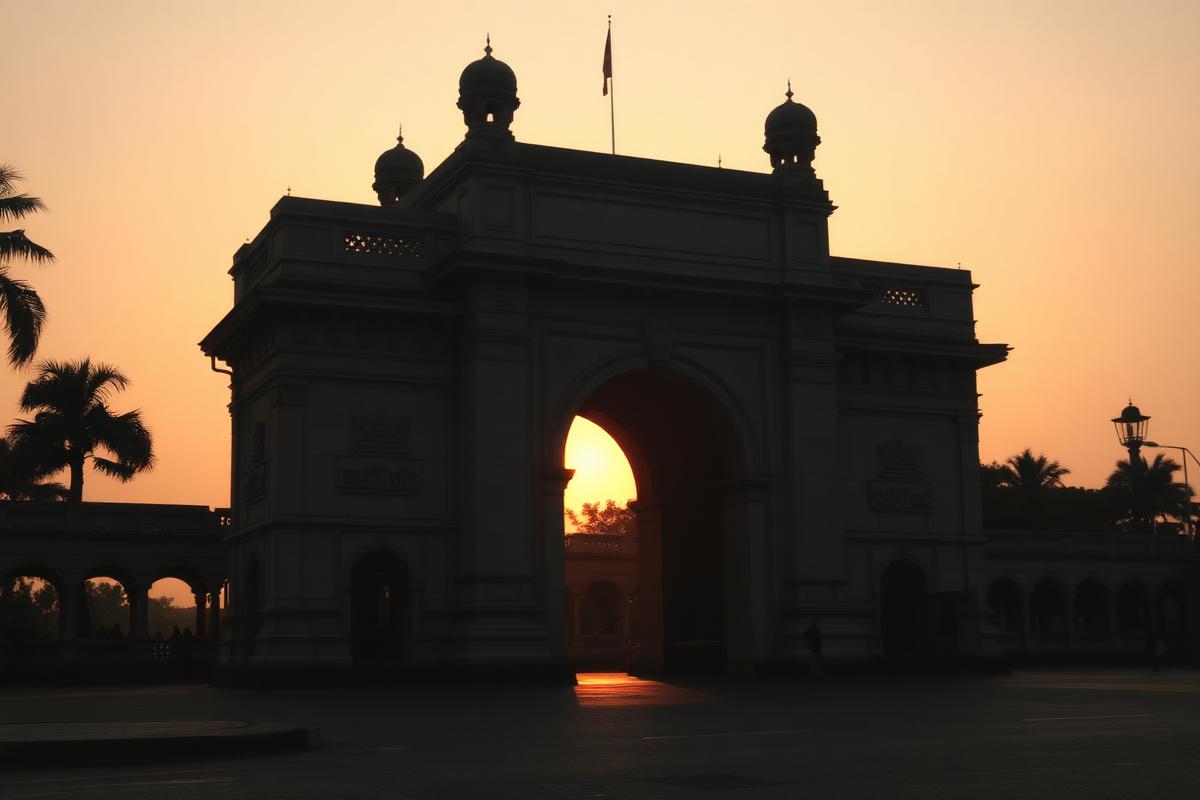
Gateway of India
The stone arch on the Colaba waterfront is Mumbai's best known landmark and a natural first stop for visitors.
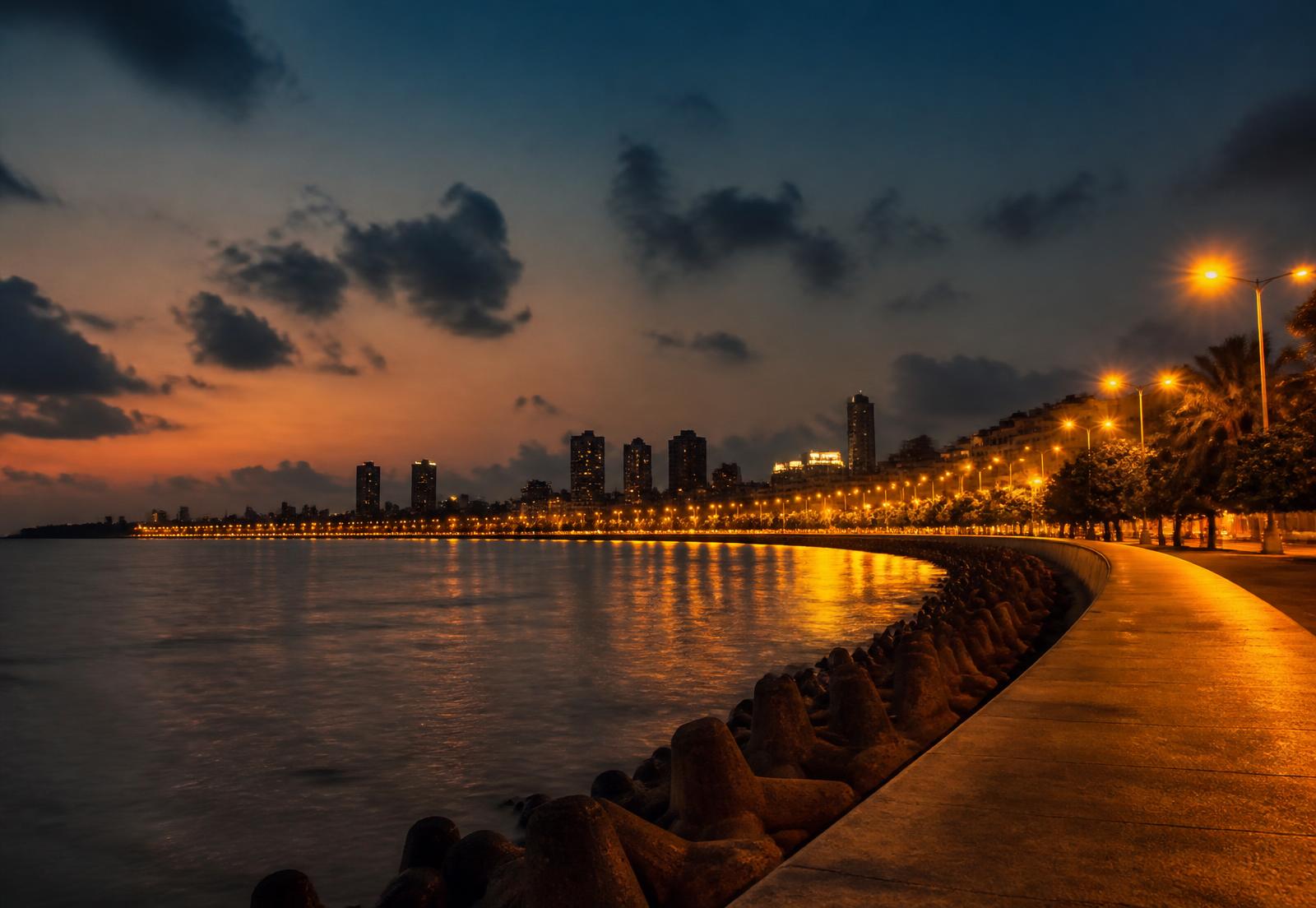
Marine Drive
A long seafront promenade curving along the bay, lit at night by a line of street lamps often called the Queen's Necklace.
Colaba
The southern tip of the city, with colonial-era buildings, cafés, street shopping and easy access to the waterfront.
Fort
Mumbai's historic business district, known for its Victorian and Art Deco architecture, museums and quiet side streets.
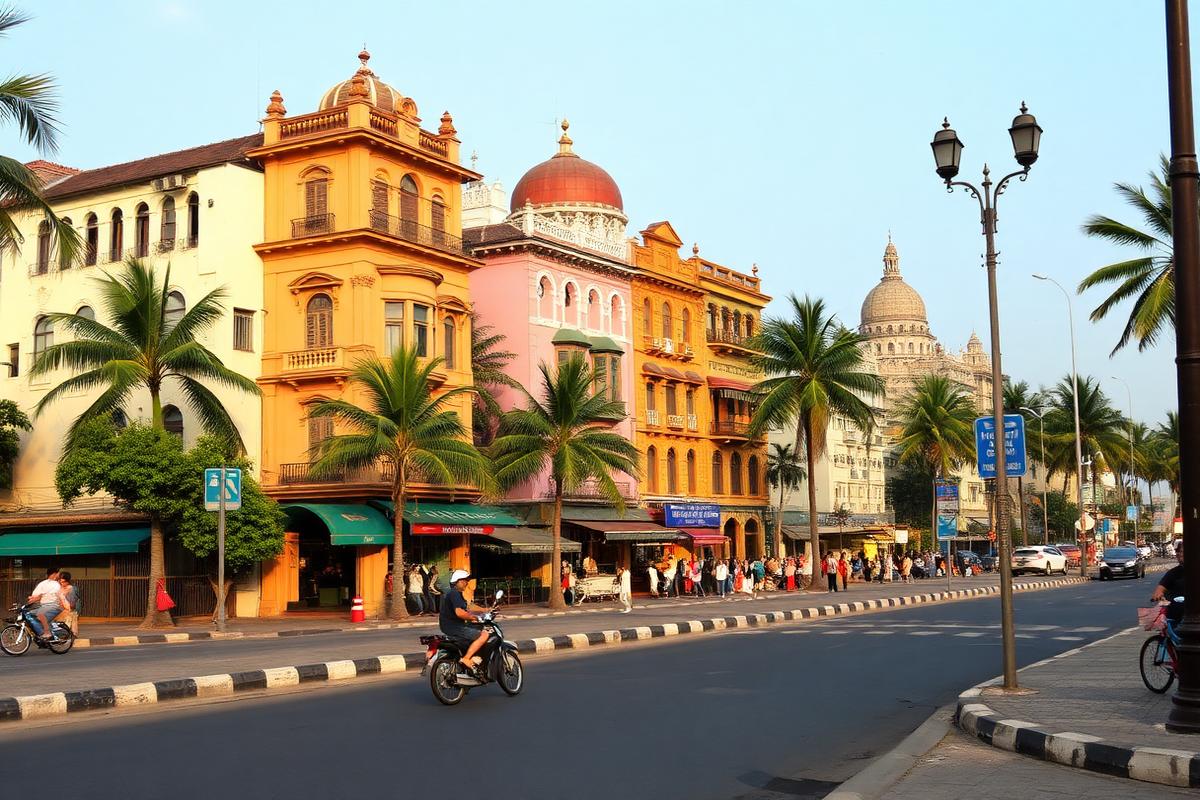
Bandra
A lively suburb in the west of the city known for its cafés, boutiques, street art and seafront promenades.
Juhu
A long sandy beach in the northern suburbs, popular in the evening with families and street food stalls.
Crawford Market
A large covered market in South Mumbai selling fruit, spices, household goods and gifts.
Dharavi
A densely populated neighbourhood with a large network of small workshops and businesses. Visits should be made respectfully.
Elephanta Caves
Rock-cut cave temples on an island in Mumbai harbour, reached by boat from the Gateway of India.
Bollywood
Mumbai is the centre of the Hindi film industry, and film culture is visible across the city in cinemas, studios and neighbourhoods.
Shopping in Mumbai
From street markets and craft shops to air-conditioned malls, Mumbai covers every style of shopping.
Restaurants
Mumbai's food ranges from street snacks and regional Indian cooking to international restaurants across the city.
Family activities
Beaches, parks, museums and aquarium-style attractions make Mumbai manageable with children.
Mumbai nightlife
Bars, rooftops, live music and late dinners are spread across South Mumbai, Bandra and the western suburbs.
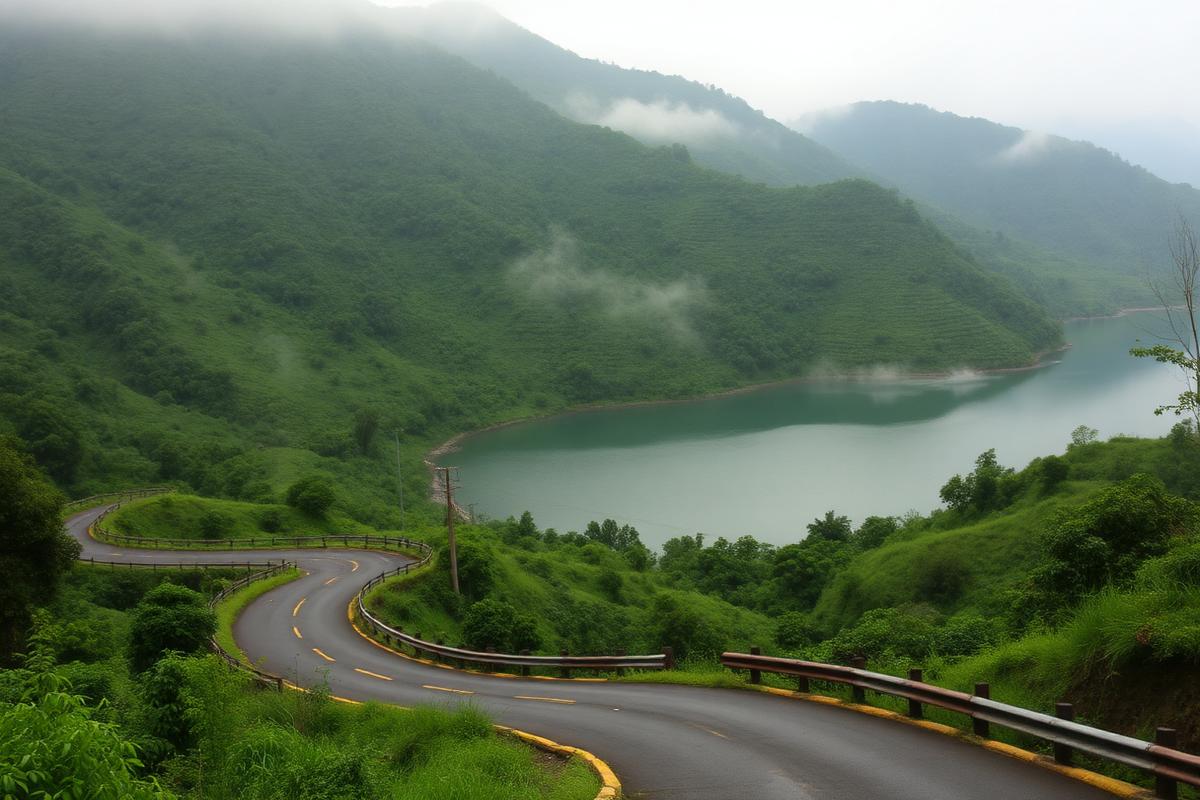
Day trips from Mumbai
Hills, beaches and historic towns are within driving distance: Lonavala, Alibaug, Pune, Nashik and more.
Practical information
Mumbai Airport
Chhatrapati Shivaji Maharaj International Airport serves both international and domestic flights, in separate terminals.
Getting around Mumbai
Mumbai is large and traffic is dense. Travel times vary a lot with the time of day.
Best time to visit Mumbai
The cooler, drier months around winter are generally the most comfortable. The monsoon brings heavy rain in the middle of the year.
Useful travel tips
A few simple habits make a stay in Mumbai easier and more comfortable.
Local etiquette
Mumbai is welcoming and used to visitors; a little awareness goes a long way.
Currency
The currency in India is the Indian Rupee (INR, ₹). Cards and digital payments are widely accepted in cities.
Emergency information
India uses 112 as a national emergency number. Keep your hotel and embassy details written down.
Useful phrases
English is widely spoken in Mumbai, and Hindi and Marathi are the everyday languages of the city.
Need a private car in Mumbai?
WhatsApp Amin